
Compact laser head
Fits on five-axis tool machines where space around the workpiece is tight.

Applications Tool manufacturing
Cut, shape and sharpen polycrystalline diamond tools without heat damage to the cutting edge. Cold ablation keeps the diamond intact and handles geometries that grinding and EDM cannot reach.
[value] µm
Cutting-edge radius on PCD inserts.
[value] %
Shorter cycle time than grinding on [tool type].
0
Graphitised layer on the processed edge.
From problem to process
01 · Problem
Grinding PCD is slow and wears the wheel. Wire EDM depends on the binder and leaves a recast layer. Longer laser pulses heat the diamond, which graphitises the edge and shortens tool life.
02 · Requirement
03 · Process
Femtosecond pulses remove diamond and binder in thin layers faster than heat can spread. A five-axis machine guides the beam along the edge to cut, shape and sharpen the tool without touching it.

Fits on five-axis tool machines where space around the workpiece is tight.

No chiller beside the machine and nothing to drain or refill on the shop floor.

All-fiber design with no free-space alignment, built for vibration and temperature changes.

Standard interfaces connect to the tool machine's CNC without extra hardware.
Evidence
Microscope images from LITILIT test runs. Every sample lists its material, thickness and magnification.
[Customer] moved PCD sharpening from grinding to [number] LITILIT-equipped machines. Here is what changed in cycle time and tool life.
Read the case studyStarting parameters from our lab. Your material, thickness and design will move them, so we confirm every number on your own samples.
The laser we recommend for this process.
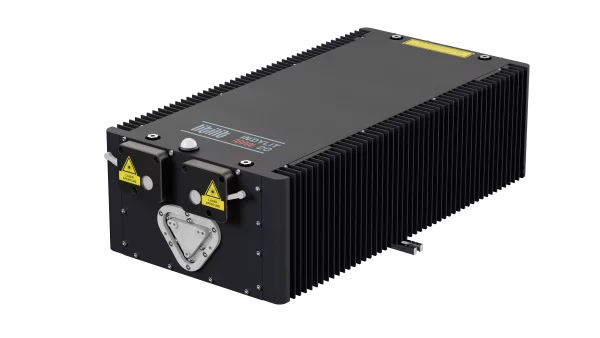
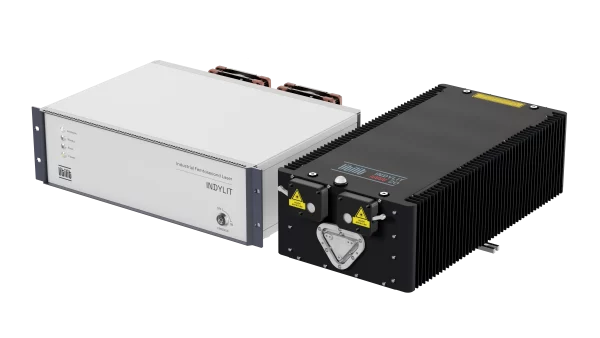
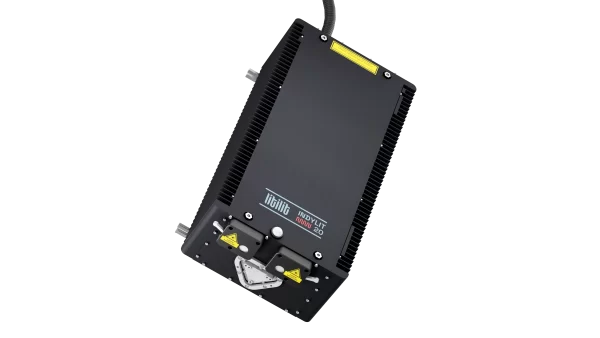
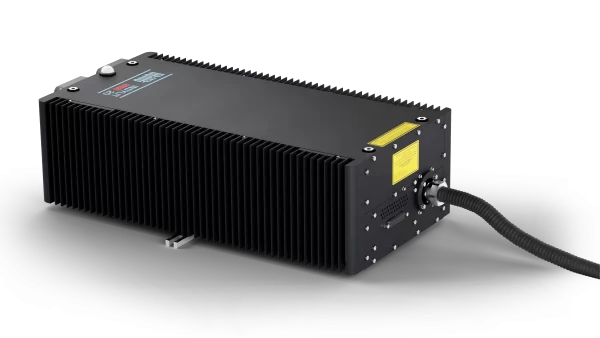
Up to 20 W at 1 MHz for fast material removal on large diamond volumes.
 380 fs pulses
 Up to 2 MHz
 Passively air cooled

Ship a PCD blank or a worn tool to our Vilnius application lab. We return it processed, with microscope images and the parameters we used.
Tell us the material and the result you need. A laser engineer replies within [response time].
Ask about lead times, volume pricing, supply capacity and long-term availability.
Request a quote